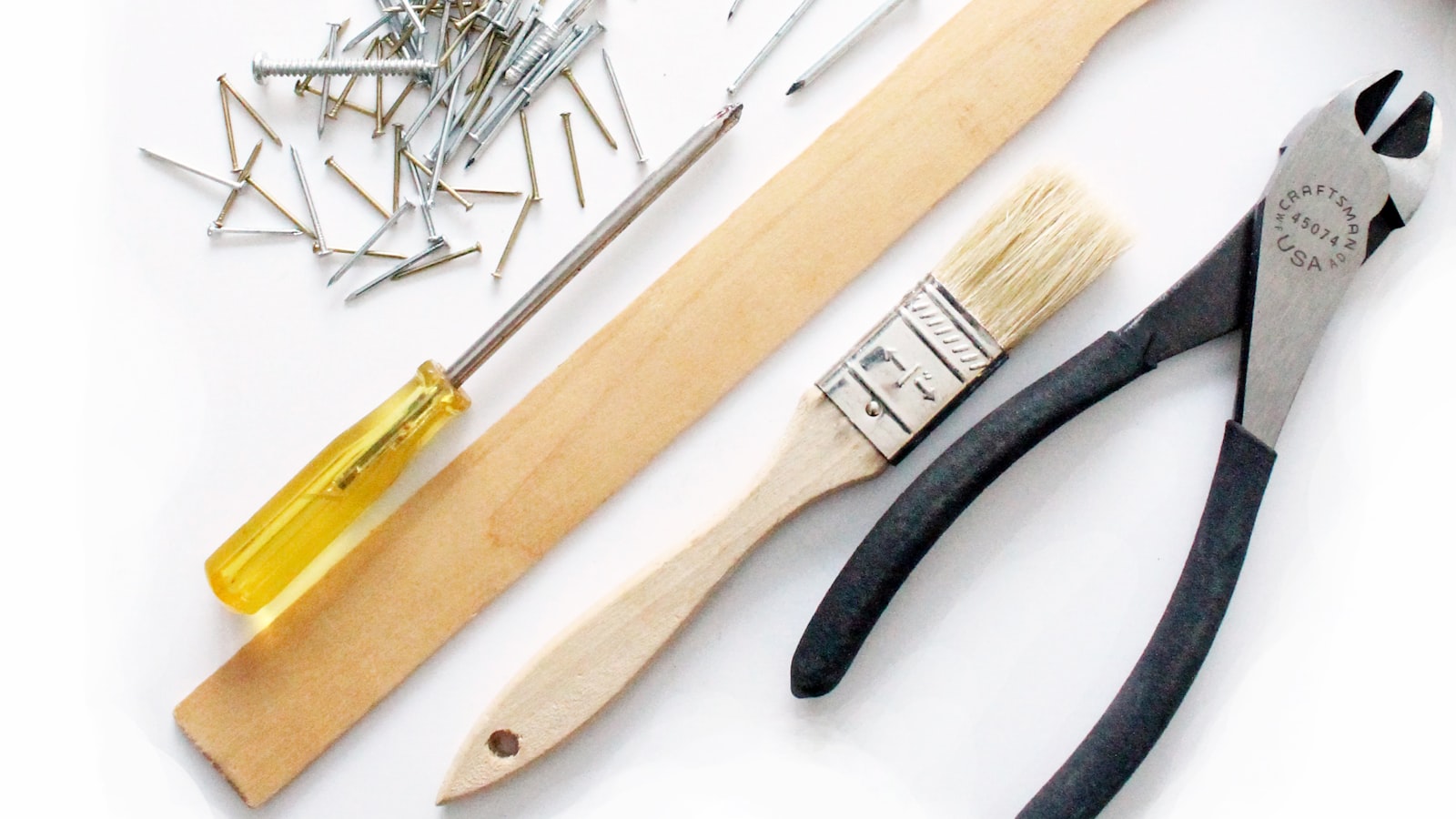
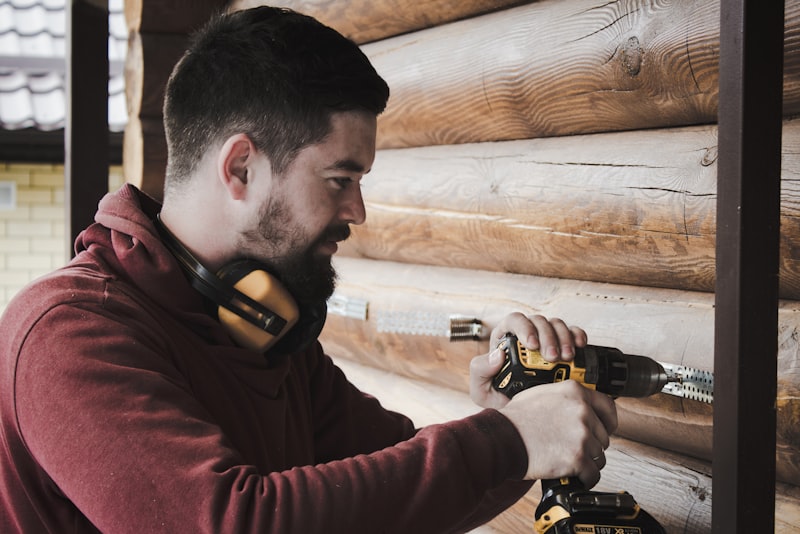
Tools don't usually die from hard use. They die slowly, in a damp shed or a jumbled drawer, from rust and neglect and being dropped one too many times. A good tool looked after well will outlast its owner; the same tool tossed wet into a box will be seized and pitted within a couple of winters. The difference costs almost nothing, just a few small habits.
Storing and maintaining tools well isn't about building a showpiece workshop. It's about keeping what you own dry, organised, and ready, so that reaching for a tool means picking up something that works rather than fighting with something that's rusted or lost. Here's how to make your kit last, whatever space you have to keep it in.
Keep moisture out, because rust is the real enemy#
Water is what quietly destroys most tools. Bare metal in a humid space will spot with rust in weeks, and once rust takes hold it pits the surface, stiffens moving parts, and dulls cutting edges. The first job of any storage setup is keeping the damp away from your steel.
Store tools somewhere dry if you possibly can, and if your only space is a shed or garage that swings between cold and humid, take a few extra steps. Wipe metal tools down before you put them away, add a light film of oil to bare steel surfaces now and then, and keep a couple of moisture-absorbing packs or a small dehumidifier in an enclosed cupboard. If a tool ever does get wet, dry it fully before it goes back on the shelf rather than trusting it to dry on its own.
After a job, a thirty-second wipe with a dry cloth does more for a tool's lifespan than any amount of once-a-year deep cleaning. It's the little habit at the end that beats the big effort you never quite get around to.
Organise so everything has a home#
An organised set of tools is faster to use, easier to check, and genuinely safer. When everything has a place, you notice at a glance if something's missing, you don't rummage blindly past sharp edges, and you're not stepping over clutter while carrying something heavy or hot.
You don't need to spend much to get organised:
- A pegboard on the wall keeps hand tools visible and within reach, and you can outline each tool so gaps are obvious.
- A toolbox with a lift-out tray suits anyone who carries tools from room to room.
- Simple jars or small drawers tame the chaos of screws, plugs, and small fixings.
- A dedicated shelf or rack keeps power tools and their chargers together so batteries are always ready.
Whatever system you choose, group tools by how you use them, keep the ones you reach for most within easy grabbing distance, and store heavy items low so nothing dangerous is waiting to fall. If you're still assembling your kit, our guide to building your first home tool kit pairs naturally with setting up somewhere sensible to keep it.
Look after cutting edges and moving parts#
Sharp tools and smooth mechanisms are the ones that stay pleasant and safe to use, and both need a little attention. Cutting edges, on chisels, plane blades, knives, and saws, do their job best when kept keen, and a sharp edge is safer than a dull one because it cuts predictably instead of skidding under extra force. Keeping them sharp is a skill worth learning; our guide to sharpening hand tools safely walks through it step by step.
Protect those edges in storage, too. Blade guards, a strip of cork, or dedicated slots stop chisels and knives from banging against other tools and chipping. For anything with a hinge or a moving joint, like pliers, secateurs, or adjustable wrenches, a drop of oil on the pivot every so often keeps the action smooth and stops it stiffening up with grime and rust.
Power tools reward a slightly different routine. Keep their air vents clear of dust so the motor can cool itself, wipe them down after dusty work, and store them somewhere they won't get knocked onto a hard floor. Coil cables loosely rather than kinking them tight, since a cracked cable is both a repair and a shock risk.
Batteries deserve particular attention. Lithium packs last longest stored somewhere cool and dry, kept around half to fully charged rather than run flat and forgotten. Extreme heat and deep cold both shorten their life, so a freezing shed or a sun-baked car boot is the worst place to leave them over a season. If a battery ever looks swollen or gets unusually hot in use, stop using it and dispose of it properly at a proper recycling point, never in the household bin.
Store with safety in mind#
How you store tools is a safety matter in its own right, not just a tidiness one. Sharp tools should have their edges covered or turned away from where a hand naturally reaches. Heavy tools belong on low, sturdy shelves where they can't topple onto someone. And anything with a blade or a point shouldn't be loose in a drawer you'll one day reach into quickly.
If there are children in the house, this goes further. Store power tools, blades, and anything with a cord out of reach or behind a latch, and keep chargers unplugged when they're not in use. It takes a shelf and a little forethought, and it turns your storage from a hazard into part of the safety habit that runs through every job.
Lighting and access deserve a thought as well. A storage spot you can reach without balancing on a stool, and see clearly enough to grab the right tool, is a spot you'll actually keep tidy. Cramped, dark corners breed clutter, and clutter is where you knock a chisel onto your foot or reach blindly past a saw. Give your tools somewhere you can get at them safely and the good habits look after themselves.
The small routine that keeps a kit alive#
None of this is demanding. Wipe a tool down before it goes away, give it a home you can find again, keep the edges sharp and the pivots oiled, and treat batteries and blades with a bit of care. Ten quiet minutes at the end of a project does the work of a whole restoration you'd otherwise face years down the line.
Tools you look after become tools you trust, and tools you trust are the ones you'll actually reach for when something needs fixing. Build the habit while your kit is small and it'll cost you nothing to keep as it grows. Years from now you'll be using the same hammer, the same chisels, and the same drill, all still doing exactly what you bought them to do.